Island Peak Climbing: Summit a Himalayan Icon with Kami Rita Sherpa and Team
Book now Inquire Now

Island Peak Climbing: Summit a Himalayan Icon with Kami Rita Sherpa and Team

Trip Highlights:

  • Climb Island Peak (6,189m), one of Nepal’s most iconic and accessible Himalayan trekking peaks.

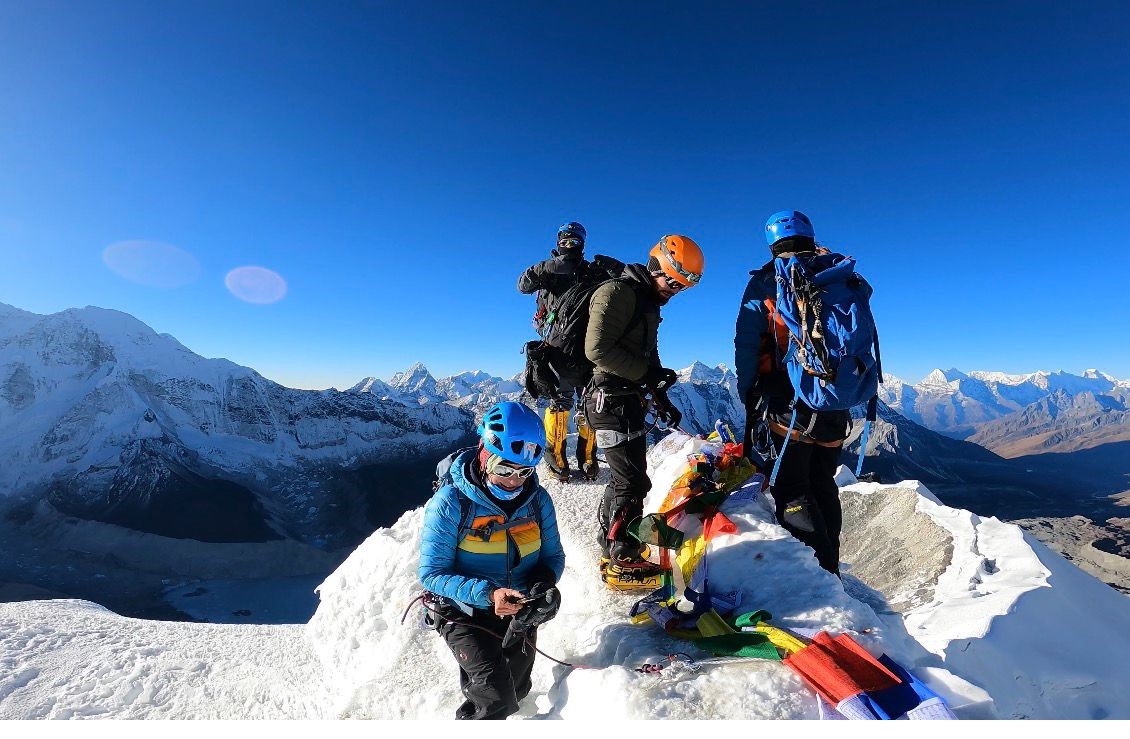
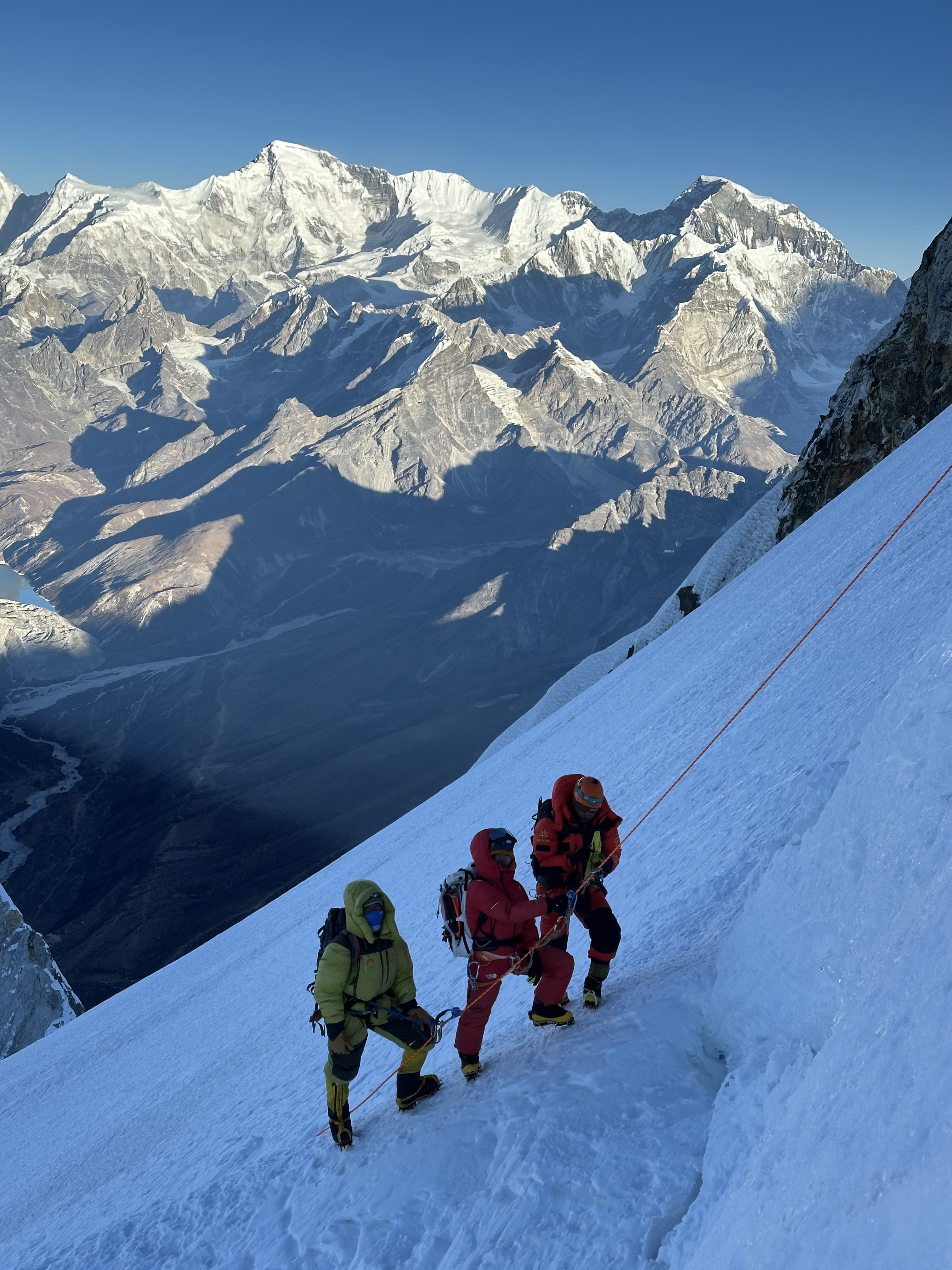
  • Experience a guided alpine ascent featuring glacier travel, ladder crossings, fixed ropes, and a narrow summit ridge.

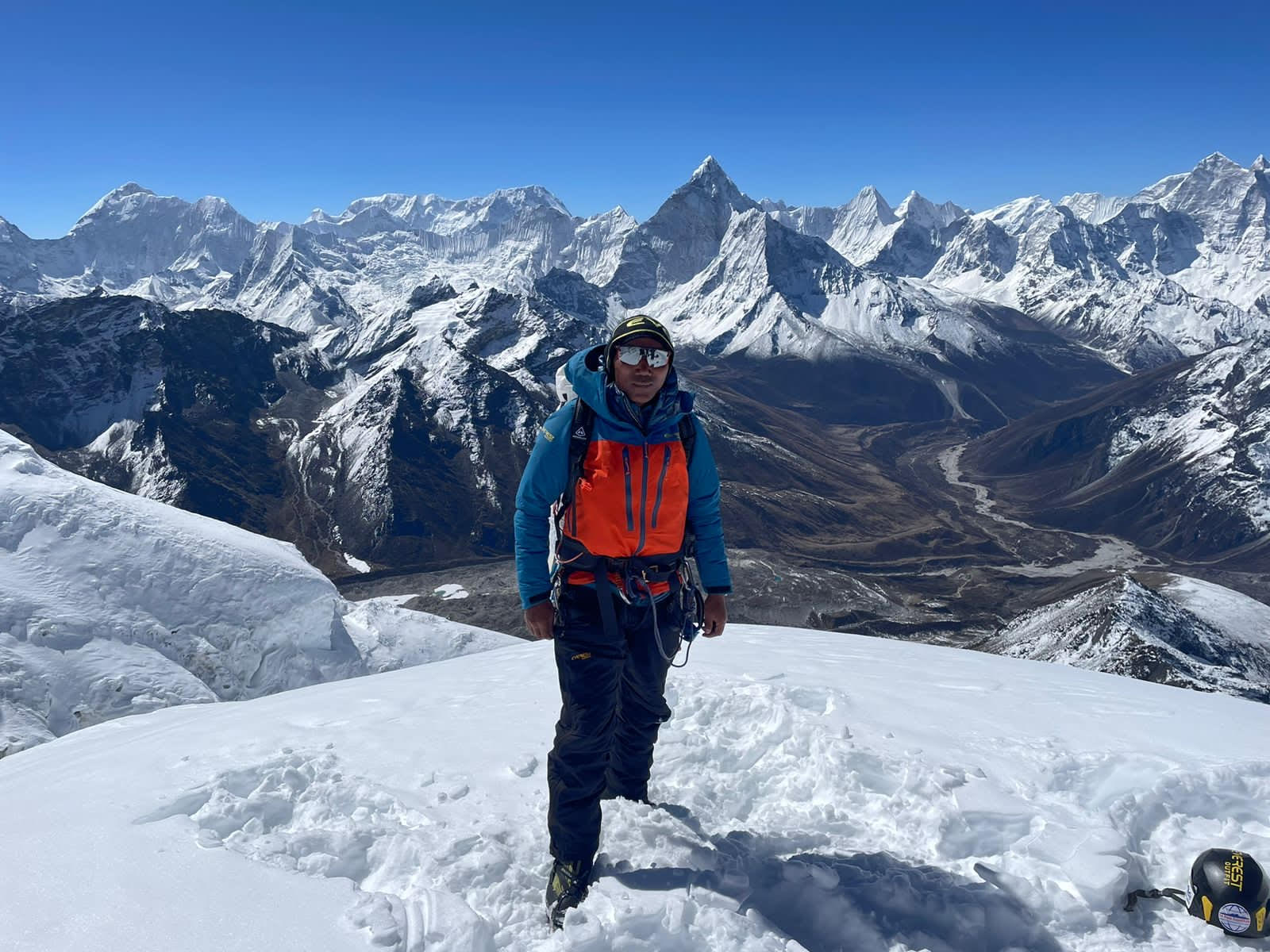
  • Take in breathtaking views of Lhotse Shar, Makalu, Baruntse, and Ama Dablam , and surrounding giants from the summit.

  • Follow the classic Everest trail through Namche Bazaar, Tengboche, Dingboche, and Chhukung before reaching Base Camp best suitable with EBC Trek. 

  • Train and climb under the leadership of Kami Rita Sherpa, world record holder for the most Everest ascents.

  • Small-group expedition with full climbing support, acclimatization stops, and a safety-first approach.

  • Immerse yourself in Sherpa hospitality, culture, and high-altitude landscapes of the Khumbu Valley.

Trip Facts:

  • Location: Khumbu Region, Nepal

  • Highest Point: Island Peak Summit (6,189m)

  • Duration: 17  days

  • Group Size: 1–10 individuals per group

  • Trip Grade: Moderate to Alpine Climbing

  • Accommodation: Teahouses & Tented Base Camp

  • Meal Plan: Breakfast, Lunch & Dinner during trek and climb

  • Transportation: Flights to/from Lukla, Private Vehicles in Kathmandu

  • Best Season: Spring (April–May) & Autumn (September–November)

  • Major Activity: Technical Peak Climbing & Cultural Trekking

  • Culture & Ethnicity: Sherpa communities and Tibetan Buddhist heritage

Overview of the Island Peak Climb

Island Peak (also known as Imja Tse) rises prominently above the Chhukung Valley in the Everest region and is one of Nepal’s most frequently climbed trekking peaks. First summited in 1953 by members of the British Everest expedition team, including Tenzing Norgay, Island Peak has become a favorite for climbers aiming to experience a true Himalayan summit while preparing for higher peaks like Ama Dablam, Manaslu, or even Everest.

The journey begins with a thrilling flight to Lukla, followed by a trek through vibrant Sherpa villages and alpine landscapes. After proper acclimatization at Namche Bazaar, Dingboche, and Chhukung, the route diverts to Island Peak Base Camp, where climbers undergo final training and preparation.

The summit push involves glacial travel, steep ice slopes, and fixed rope ascents—all leading to a narrow summit ridge with jaw-dropping views of the eastern Himalayas. With expert guidance from Kami Rita Sherpa and his team, climbers are supported every step of the way for a safe, successful, and unforgettable summit.

Best Season to Climb Island Peak

Spring (April–May) and Autumn (September–November) are the most favorable times to climb Island Peak. These seasons offer optimal weather, clearer skies, and safer glacier conditions.

  • Spring: Warmer days, less wind, and blooming rhododendrons along the trail.

  • Autumn: Cold, crisp mornings with excellent mountain visibility—ideal for summit success.

Winter (Dec–Feb) can be attempted but includes extreme cold and unpredictable conditions. The monsoon season (June–August) is not recommended due to rainfall and trail disruptions.

Training and Preparation

Though Island Peak is considered a “trekking peak,” it includes technical sections and high-altitude exposure. Preparation is key:

  • Physical Training: Emphasize cardio, stair/hill workouts with a loaded backpack, and core strength.

  • Technical Readiness: Experience with crampons, harnesses, ice axes, and fixed ropes is beneficial. Training is provided on the mountain.

  • Mental Preparation: Flexibility, patience, and determination are essential to handle weather delays and altitude.

  • Gear & Equipment: Bring proper alpine gear, including double mountaineering boots, a certified climbing harness, down clothing, and glacier eyewear.
 

COUNTRY Nepal
Duration 16 Days
Max Altitude 6,189 m
Difficulty moderate
Group Size 1-10
Best Season Spring (Apr–May) Autumn (Sep–Nov)
Walking Per Day 3-7 hours
Accomodation Teahouses and Tented Base Camp

Itinerary

Day
1
Arrival in Kathmandu (1,400m)

Upon arrival at Tribhuvan International Airport, our team will welcome you and transfer you to your hotel. The rest of the day is free to relax or explore the nearby areas. In the evening, a short briefing will be conducted regarding the trek and climb.


2

Rest Day & Gear check for the trip with shopping missing gears or renting them . 

3

A scenic mountain flight takes you to Lukla, the gateway to the Everest region. From here, the trek begins with a gentle walk along the Dudh Koshi River, leading to Phakding. The trail passes through small settlements and pine forests.


4

The trail continues through suspension bridges and forested paths, entering Sagarmatha National Park. A steady climb brings you to Namche Bazaar, the vibrant Sherpa hub of the region.


5

A rest day for proper acclimatization. Short hikes to nearby viewpoints offer the first clear views of Everest and surrounding peaks. This day helps your body adjust to increasing altitude.


6

The route follows a scenic ridge with panoramic mountain views before descending and climbing again to Tengboche. The famous Tengboche Monastery, set against the backdrop of Ama Dablam, is a highlight of the day.


7

The landscape gradually opens into alpine terrain. Passing through Pangboche village, the trail continues towards Dingboche, surrounded by towering Himalayan peaks.


8

Another important rest day. Hike upto Nangkartshang Peak for acclimatization at Dingboche (5,083m) to nearby ridges help improve acclimatize while offering impressive views of Lhotse, Island Peak, and the Imja Valley.

9

A short but steady climb leads to Chhukung, a small settlement that serves as the final stop before heading towards Island Peak. The surroundings become more rugged and glacial.


10

The trail moves beyond Chhukung into a more remote and rugged terrain. Reaching High Camp, preparations are made for the summit push. Basic climbing guidance and gear checks are conducted.


11

An early start before dawn leads to the summit attempt. The climb involves glacier travel, fixed ropes, and a final steep ascent. From the top, enjoy panoramic views of Everest, Lhotse, Makalu, and surrounding peaks. After the summit, descend back to Chhukung.


12

Retracing the route, the descent continues through Dingboche and Pangboche towards Tengboche. The return offers a different perspective of the landscapes.


13

A long but pleasant walk through forests and valleys leads back to Namche Bazaar.


14

The final trekking day follows the Dudh Koshi River, gradually descending back to Lukla.


15

A morning flight returns you to Kathmandu. The rest of the day is free for rest or personal activities.


16

Transfer to the airport for your onward journey, marking the end of your Island Peak adventure.


Inclusions

  • Airport Transfers: Pick-up and drop-off for both international and domestic flights.

  • Hotel Accommodation in Kathmandu: 3 nights in a standard hotel with breakfast.

  • Welcome Dinner: Traditional Nepali dinner with cultural presentation.

  • Domestic Flight: Kathmandu–Lukla–Kathmandu round-trip airfare.

  • Climbing Permit: Island Peak climbing permit issued by Nepal Mountaineering Association.

  • National Park & Local Permits: Sagarmatha National Park Entry Fee and Khumbu Pasang Lhamu Rural Municipality Permit.

  • Trekking Accommodation: Teahouse lodging during trek; tented camp at Island Peak Base Camp.

  • Meals During Trek & Climb: 3 meals per day (breakfast, lunch, dinner) with tea/coffee.

  • Group Equipment: High-quality tents, kitchen equipment, ropes, and climbing gear (group use only).

  • Climbing Guide & Trek Leader: IFMGA/UIAGM certified climbing guide and experienced trekking guide.

  • Climbing Sherpa Support: 1:2 ratio of climbers to Sherpa for summit push.

  • Porter Service: One porter for every two members (max weight 15 kg per person).

  • Support Staff: Cook, kitchen crew, and camp helpers at Base Camp.

  • Training & Briefing: Pre-climb training and use of fixed ropes/crampons techniques at Base Camp.

  • Medical Kit: Group medical kit and oximeter for altitude monitoring.

  • Communication: Walkie-talkies and satellite phone (for emergency use).

  • Weather Forecast: Professional weather updates during the climb.

  • Map & Duffle Bag: Trekking map, company cap, buff, and duffle bag (returned after trip).

  • Government Taxes & Service Charges

Exclusions

  • International Airfare: Flights to/from Kathmandu.

  • Nepal Visa Fee: Visa on arrival (~USD 30–125 depending on duration).

  • Lunch & Dinner in Kathmandu: Except for the welcome dinner.

  • Extra Nights in Kathmandu: Due to early return, flight delays, or personal reasons.

  • Travel Insurance: Mandatory insurance covering medical, high-altitude evacuation, and trip interruption.

  • Personal Climbing Gear: Boots, harness, crampons, down suit, ice axe, etc. (available for rent).

  • Bottled Drinks & Personal Snacks: Soft drinks, alcohol, chocolates, energy bars, etc.

  • Hot Showers, Battery Charging & Internet: Along the trekking route (available at extra cost).

  • Tips & Bonuses: Tips & summit bonus for climbing Sherpa.

  • Personal Expenses: Laundry, phone calls, Wi-Fi, souvenirs, etc.

  • Extra Services Not Mentioned: Any other costs not listed under "Cost Includes".


Trip Notes

Duration: Approximately 16–18 days
Key Stops:

  • Namche Bazaar (3,440 m): Acclimatization and Sherpa cultural center.

  • Tengboche (3,860 m): Famous monastery with stunning Himalayan views.

  • Dingboche (4,410 m): Important rest stop for altitude adaptation.

  • Chhukung (4,730 m): Final acclimatization village with training opportunities.

  • Island Peak Base Camp (5,100 m): Launch point for summit push.

  • Island Peak Summit (6,189 m): Glacier and ridge ascent with breathtaking views of Everest, Lhotse, and Ama Dablam.

Preparation and Considerations:

  • Physical Fitness: Focus on endurance hikes, stair training, and core strength; high-altitude trekking experience is recommended.

  • Technical Skills: Prior knowledge of using crampons, harness, and fixed lines is beneficial; basic mountaineering instruction is provided on-site.

  • Acclimatization: Two key rest/acclimatization days at Namche and Dingboche; slow ascent schedule followed to reduce altitude risks.

  • Best Seasons: Spring (April–May) and Autumn (September–November) offer stable conditions and clear summit views.

Permits Required:

  • Island Peak Climbing Permit (via Nepal Mountaineering Association)

  • Sagarmatha National Park Entry Permit

  • Khumbu Pasang Lhamu Rural Municipality Entry Fee

Accommodation and Meals:

  • Teahouse lodging throughout the trekking route; tents used at Base Camp.

  • Meals include traditional Nepali dishes, rice, pasta, soups, and hot drinks.

Health and Safety:

  • Monitor for symptoms of Acute Mountain Sickness (AMS).

  • Use sterilized or boiled drinking water; carry personal hygiene items.

  • High-altitude medical support and evacuation protocols in place.

Financial Preparedness:

  • Carry enough NPR cash for personal expenses; no ATMs beyond Namche.

  • Additional budget for hot showers, charging, Wi-Fi, snacks, and gear rental if needed.

Tipping Guidelines:

  • Guides: $ 350

  • Porters: $ 100

  • Climbing Sherpa: Summit bonus recommended based on performance

Cultural Etiquette:

  • Greet with “Namaste” and show respect at monasteries.

  • Remove shoes before entering religious sites; walk clockwise around stupas.

  • Dress modestly in villages.

Environmental Considerations:

  • Island Peak’s glacier is sensitive to climate change, expect changes in crevasses and reroutes.

  • Follow Leave No Trace principles; dispose of waste responsibly.

  • Use refillable water bottles to minimize plastic use.


Reviews

Be the first to give review!

Recommended Packages

Experience with us