
Mount Everest does not begin at Base Camp. It begins with a mindset. The mountain has a long history of humbling those who arrive unprepared, impatient, or driven by ego. Climbers who choose to attempt Everest with a clear understanding of risk, discipline, and respect tend to experience the mountain differently. This philosophy lies at the heart of climbing with Kami Rita Sherpa.
Born and raised in the Khumbu region, Kami Rita Sherpa grew up in the shadow of Everest. For him, the mountain is not an abstract challenge or a personal trophy. It is a living environment shaped by weather, time, and human responsibility. His decades of experience on Everest have formed a leadership style rooted in caution, preparation, and quiet authority.
The Long Approach to Everest: The struggle, the thrill, and the dream to pursue the highest peak in the world!
The Everest expedition begins far below the snowline. The trek through the Khumbu Valley is an essential phase of acclimatization and mental adjustment. As climbers pass through villages such as Phakding, Namche Bazaar, and Dingboche, the body begins adapting to thinner air while the pace of life slows naturally.
These days on the trail are not simply a means of reaching Base Camp. They teach rhythm and restraint. Climbers learn to walk steadily, hydrate consistently, and respect rest days. Kami Rita emphasizes that strength alone does not carry climbers to the summit. Discipline does.
The landscape itself reinforces this lesson. Suspension bridges sway above glacial rivers. Prayer flags mark ridgelines that have witnessed countless expeditions. Each step reinforces the reality that Everest is earned gradually.
Life at Everest Base Camp
Everest Base Camp is often imagined as chaotic and dramatic. In reality, it is a place of structure and routine. Days revolve around acclimatization rotations, equipment checks, weather monitoring, and recovery.
Kami Rita’s leadership at Base Camp is deliberate and calm. Decisions are never rushed. Weather forecasts are studied closely. Climbers are encouraged to listen to their bodies and speak openly about fatigue or discomfort. This culture of communication plays a crucial role in safety and success.
Base Camp also tests patience. Storms may delay movement for days. Temperatures fluctuate sharply. These pauses are part of the process. Experienced climbers understand that waiting is often the most active decision one can make on Everest.
Above the Khumbu Icefall into the Death Zone
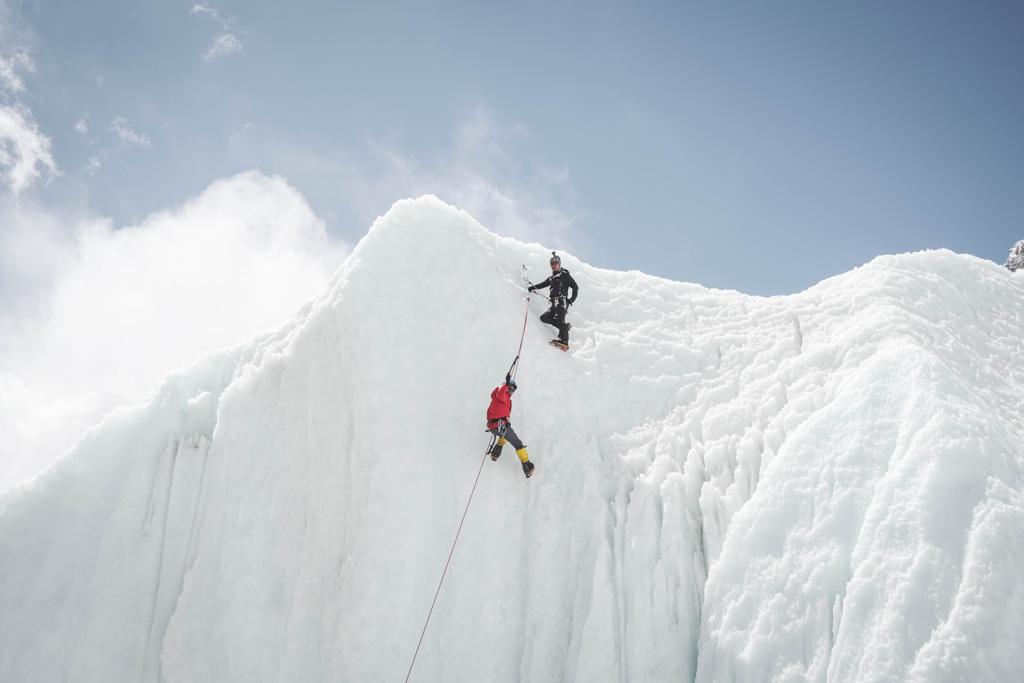
Progressing above Base Camp introduces a different reality. The Khumbu Icefall is one of the most dynamic and dangerous sections of the climb. Ice towers shift, crevasses open, and routes change overnight.
Kami Rita’s familiarity with this terrain offers reassurance. His understanding of timing, route conditions, and weather patterns comes from years of repeated crossings. Climbers move with focus, aware that efficiency and calm are essential.
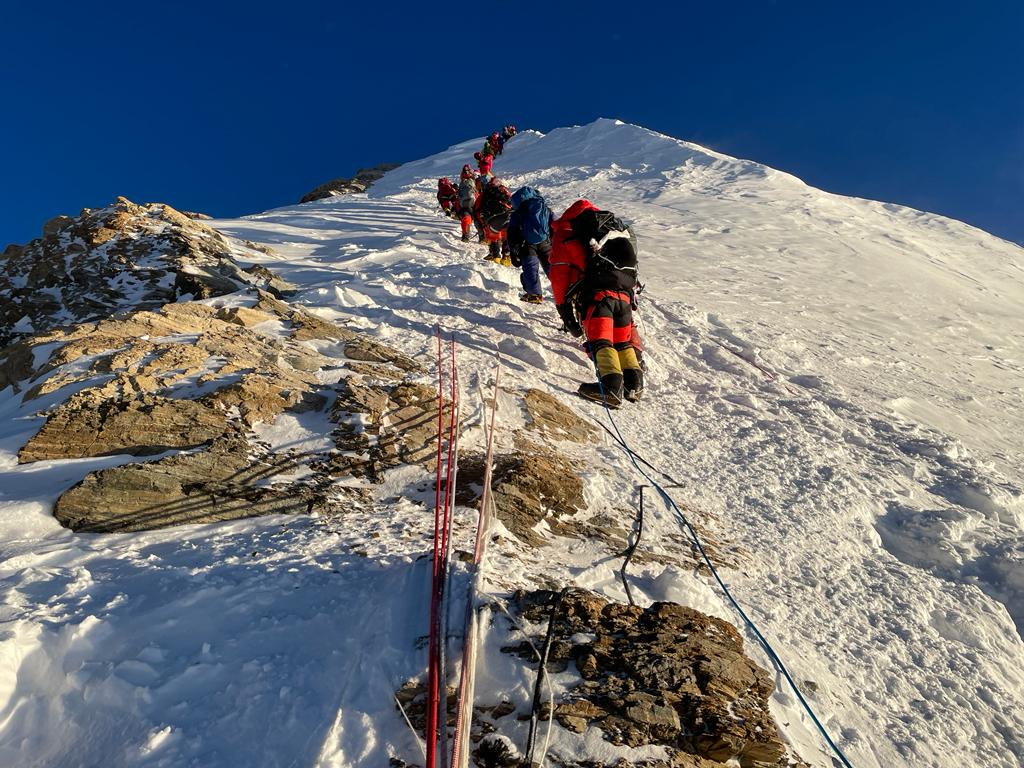
Beyond the Icefall, higher camps demand increasing physical and mental resilience. Oxygen levels drop. Movements slow. Every task requires more effort. It is here that experience matters most.
The Summit and the Descent
Summit day is not defined by celebration. It is defined by control. Climbers move in darkness, conserving energy and maintaining focus. The summit itself is brief. Conditions rarely allow for extended stops.
What follows is equally important. Descent demands attention, strength, and patience. Many accidents occur after summiting, when exhaustion sets in. Kami Rita places strong emphasis on safe return. Reaching the top is only half the journey.
Why This Experience Endures?
Climbing Mount Everest with Kami Rita Sherpa leaves a lasting impression. Climbers return with more than photographs. They carry a deeper understanding of preparation, teamwork, and humility.
Everest does not reward shortcuts. Under experienced guidance, it teaches lessons that extend far beyond the mountain. For those who approach it with respect, the experience becomes a defining chapter rather than a fleeting achievement.
Book your appointment for the Everest Expedition 2026 today!