
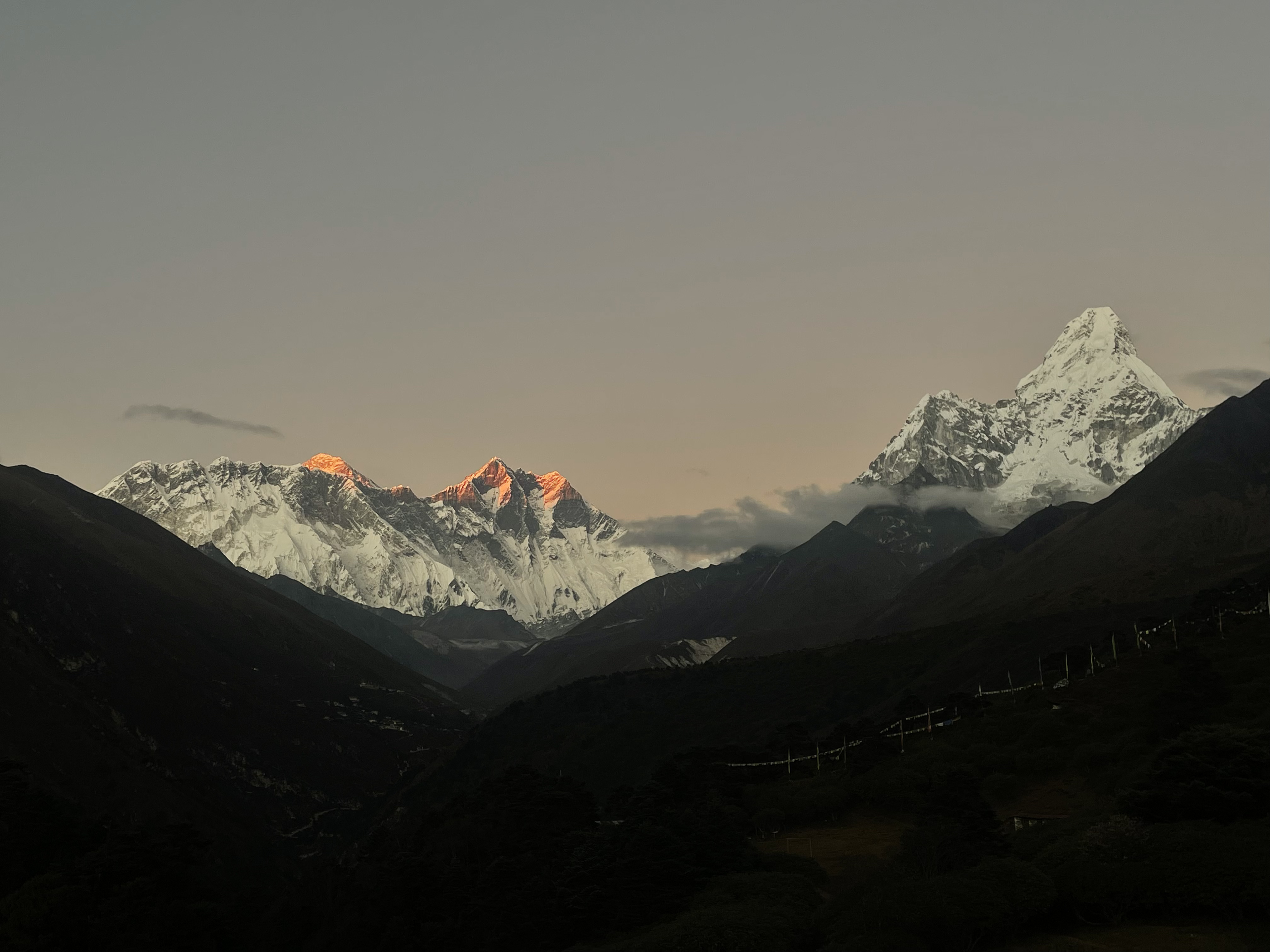
Lessons from Everest, Himalayan Guiding, and Sherpa Leadership
For many climbers, the dream begins with Mount Everest. For those of us who live and work in the Himalaya, the journey begins much earlier, with discipline, patience, and responsibility. As a Sherpa guide who has spent decades leading expeditions on Everest and other 8,000-meter peaks, I have learned that success in high-altitude climbing is built on respect for the mountain, strong leadership, and careful preparation.
If you are planning to climb Everest, train in the Himalaya, or work with Sherpa guides in Nepal, these lessons are essential.
Respect Mount Everest and the Himalayan Mountains
Mount Everest is not just the highest mountain in the world. It is part of a fragile Himalayan ecosystem and a sacred landscape for the Sherpa people. Climbers who come to Everest with the idea of conquest often struggle. Those who come with respect learn quickly.
In Himalayan mountaineering, the mountain always sets the rules. Weather, altitude, and terrain change without warning. A responsible Everest climber understands when to move forward and when to turn back. Safe decisions, not summit pressure, define successful expeditions in Nepal.
Build Real Himalayan Climbing Experience
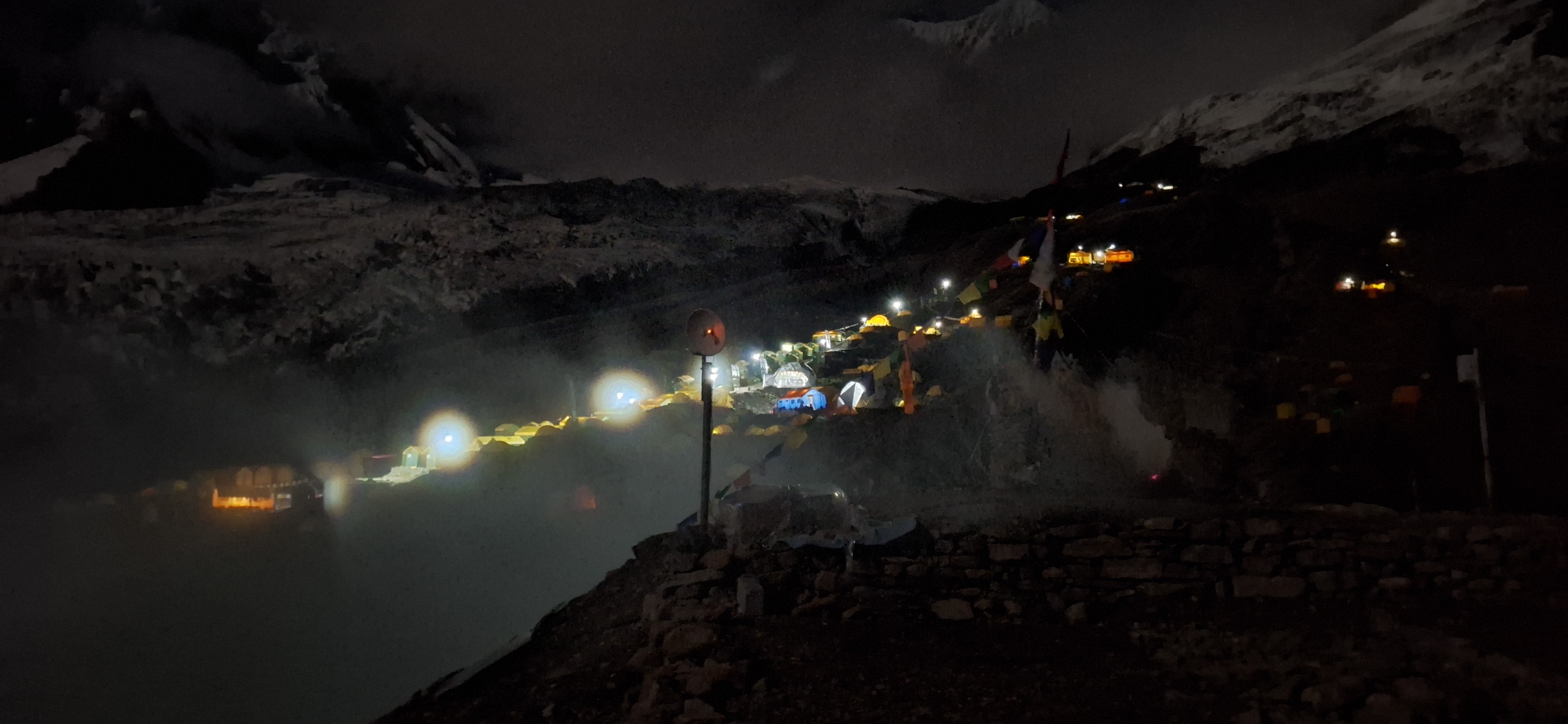
Before attempting Everest or any 8,000-meter peak, climbers should gain experience on smaller Himalayan mountains. Peaks such as Island Peak, Lobuche Peak, and Ama Dablam teach the skills required for high-altitude climbing in Nepal.
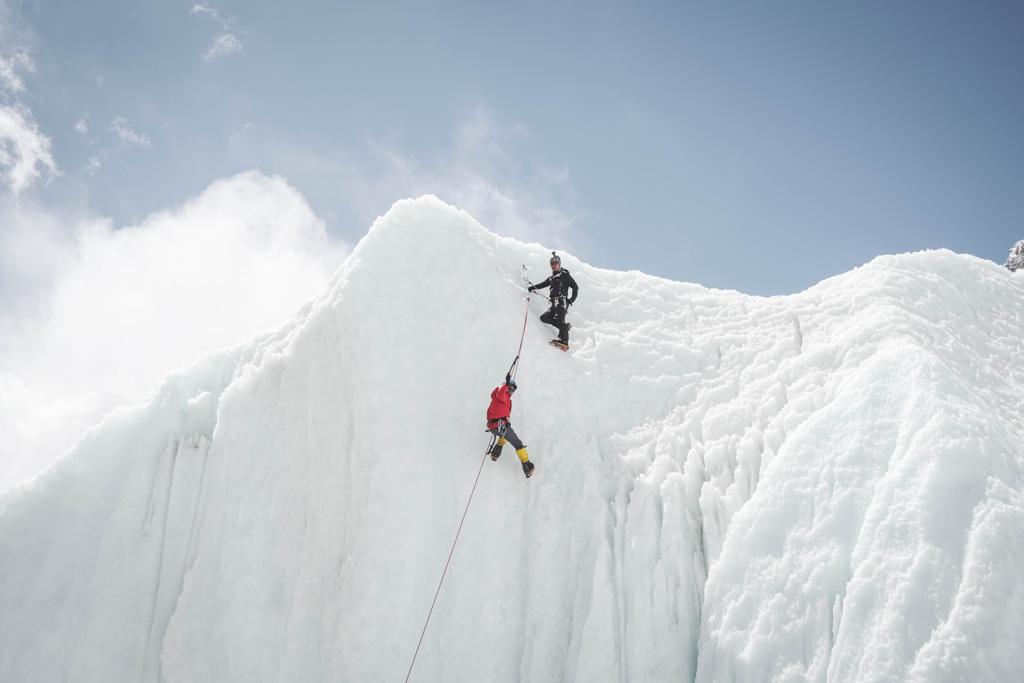
Learn glacier travel, rope techniques, camp management, and high-altitude pacing. The Himalaya rewards climbers who progress step by step. Everest is not a starting point. It is the result of years of preparation.
 Physical Preparation for Everest and High-Altitude Expeditions
Climbing Everest requires endurance, not speed. Long summit pushes, repeated rotations, and weeks at altitude demand consistent physical conditioning. Train with heavy loads, long hikes, and steady cardiovascular work.
Equally important is mental strength. Himalayan expeditions often involve waiting. Storms can hold climbers at base camp for days. A strong Everest climber remains calm, disciplined, and focused on team safety.
Understanding Altitude in the Himalaya
Altitude sickness is one of the greatest risks on Everest and other high Himalayan peaks. Even experienced climbers are vulnerable. Proper acclimatization, rest days, and honest communication save lives.
Sherpa guides are trained to recognize early signs of altitude-related illness. Climbers must listen carefully and report symptoms immediately. In the Himalaya, transparency is a sign of strength, not weakness.
The Role of Sherpa Leadership on Everest Expeditions
Sherpa leadership is central to safe and successful Himalayan expeditions. Sherpa guides bring generational knowledge of Everest routes, weather patterns, and high-altitude logistics. Their role goes far beyond support work.
Respecting Sherpa leadership means trusting experience, following safety protocols, and understanding local customs. Strong Everest teams are built on cooperation between climbers and Sherpa guides.
Himalayan Culture and Responsible Climbing in Nepal
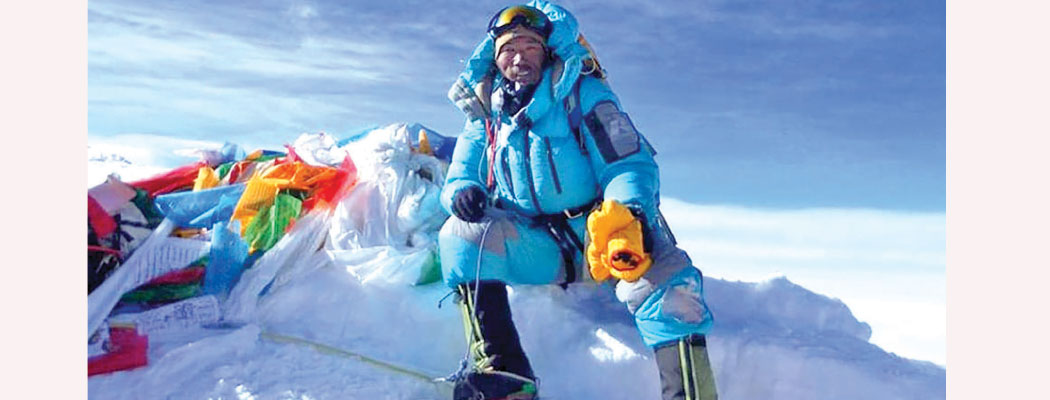
Climbing in Nepal is deeply connected to Sherpa culture and Buddhist traditions. Puja ceremonies, rest days, and respect for sacred sites are part of responsible Himalayan mountaineering.
Climbers who understand this cultural foundation gain more than access to Everest. They gain perspective, humility, and a deeper connection to the mountains.
Gear for Everest and Himalayan Expeditions
Proper equipment is essential for climbing Everest safely. High-altitude boots, layered clothing systems, and reliable safety gear are non-negotiable. However, equipment alone does not ensure success. Sound judgment, weather awareness, and timing matter more than any piece of gear. Many accidents on Everest happen due to poor decisions, not equipment failure.
The Summit and the Descent
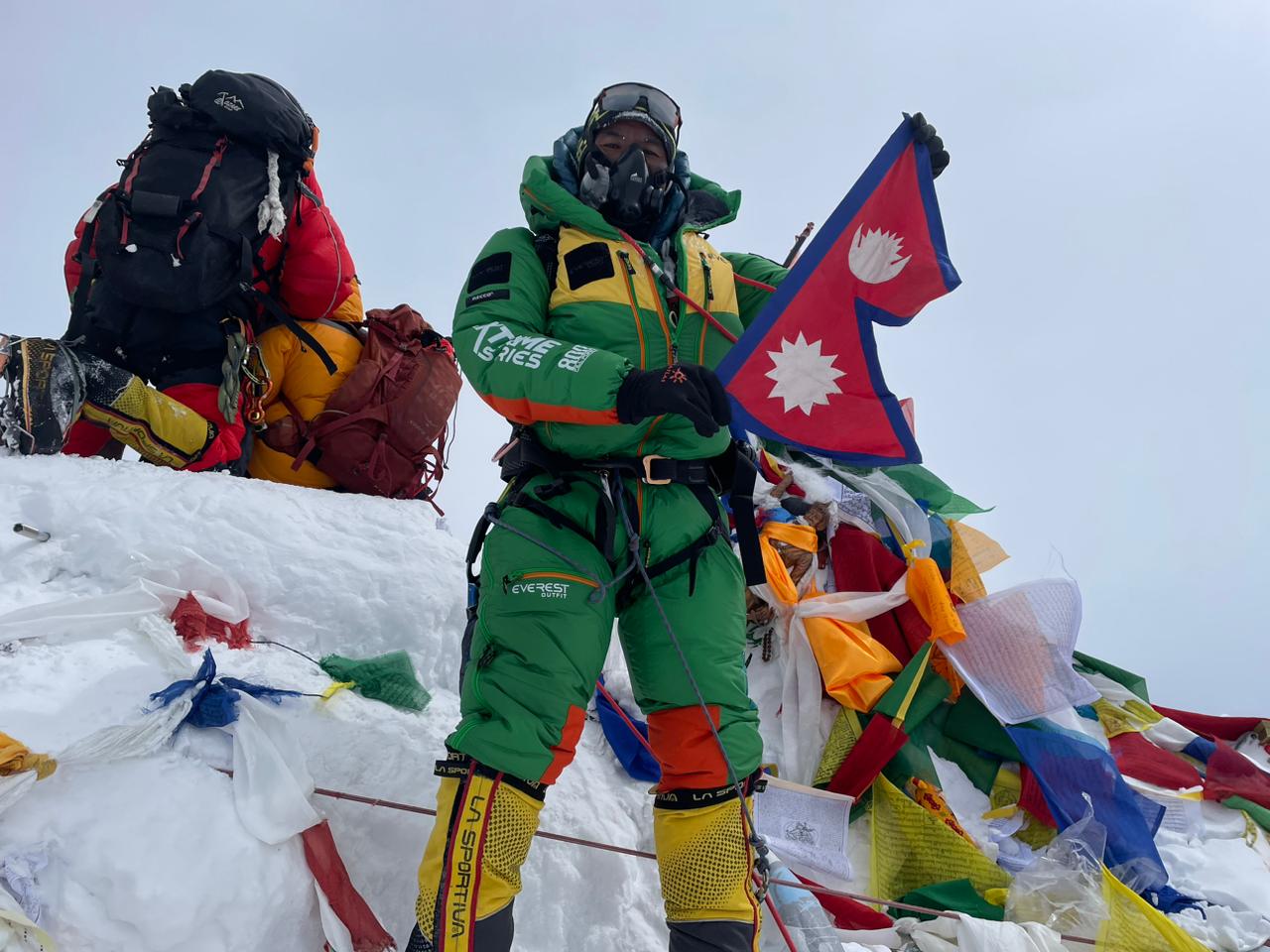
On Mount Everest, the summit is only the halfway point. Most serious accidents occur during descent, when fatigue and reduced focus increase risk. Experienced Himalayan guides emphasize controlled pacing, energy management, and constant awareness after the summit. A successful Everest climb ends only when the team returns safely to base camp.
Climbing Everest for the Right Reasons
Climbing Everest should never be about recognition alone. Conditions in the Himalaya demand humility. Those who climb with respect for the mountain, the Sherpa community, and the team endure longer and climb safer. True mountaineers value preparation, learning, and long-term growth over short-term success.
A Long-Term Approach to Himalayan Mountaineering
A career or lifelong journey in Himalayan climbing is built over decades. Protect your health, listen to Sherpa leadership, and learn from every expedition. Mount Everest will always be there. Your responsibility is to return safely, wiser than before.
Final Words from the Himalaya
High-altitude climbing in Nepal is a privilege. When climbers approach Everest with respect, patience, and trust in experienced Sherpa guides, the mountains offer lessons that last a lifetime. That understanding defines true Himalayan mountaineering and real leadership on Everest.